Key Features to Seek out in a Commercial Electrician for Your Firm
Selecting the appropriate commercial electrician is essential for any company. Important characteristics such as relevant licenses, demonstrated expertise, and a dedication to safe practices can greatly impact project outcomes. Effective communication and tailored solutions also serve as vital components in meeting particular organizational requirements. Understanding these factors can lead to more informed decisions. What else should companies evaluate when assessing candidate electricians?
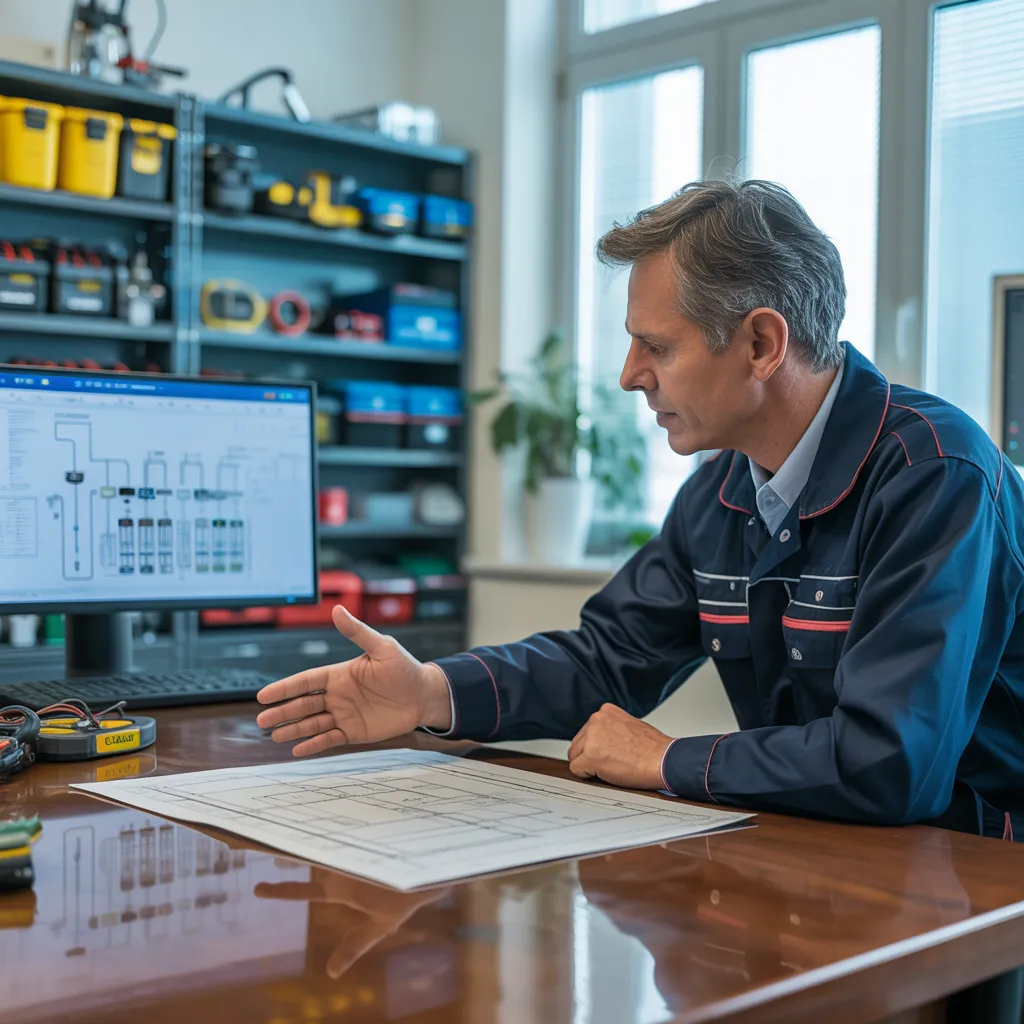
Why Suitable Licenses and Qualifications Are Critical
Within the domain of commercial electrical work, appropriate qualifications and permits function as critical indicators of a expert's competence and compliance to industry guidelines. These credentials confirm that electrical practitioners possess the necessary skills and understanding to work with intricate electrical infrastructure safely and efficiently. Governing bodies establish rigorous training and testing initiatives that electrical professionals are required to complete to attain these credentials, demonstrating their devotion to industry best practices.
Additionally, licenses commonly require perpetual training, sustaining professionals' awareness of the latest breakthroughs and safety requirements. This continuous learning is essential in a quickly advancing industry where adherence to safety codes is of utmost importance. Customers and employers can have greater confidence when hiring electricians with verified credentials, knowing that they are ready to minimize risks and assure quality installations. Ultimately, the presence of necessary licenses and certifications not only enhances the authenticity of commercial electricians but also reinforces the overall safety and integrity of electrical installations.
Demonstrated Knowledge in Corporate Projects
These professionals are adept at implementing energy-efficient solutions and adhering to sector standards, guaranteeing that projects meet both operational and security requirements. Additionally, their knowledge of varied business facilities—ranging from retail spaces to office buildings—positions them to anticipate potential issues and provide customized approaches.
Assessing an electrician's body of work of earlier commercial undertakings provides invaluable insight into their skills in problem resolution and consistency. Finally, choosing an electrician with proven commercial experience can greatly influence the success and efficiency of a business's electrical needs.
Highlighting Safety Standards in Electrical Tasks
In the arena of commercial electrical operations, emphasizing safety standards is vital. Following regulations ensures that all installations fulfill legal requirements, while the use of quality materials protects against potential hazards. These approaches not only keep workers safe but also strengthen the reliability of electrical systems in commercial settings.
Conformance With Standards
While traversing the complexities of electrical work, a commercial electrician must stress compliance with regulations to guarantee safety and functionality. Complying with local, state, and national codes is vital, as these guidelines are designed to protect both the public and the property. An experienced electrician understands that failure to comply can result in unsafe circumstances, legal repercussions, and costly repairs. Ongoing training and updates on regulatory changes are vital for maintaining compliance. In addition, a reputable electrician will possess the necessary licenses and certifications, demonstrating their commitment to industry standards. Ultimately, stressing compliance not only enhances safety but also fosters trust with clients, ensuring long-term success in commercial electrical projects.
Application Of Quality Materials
Ensuring safety standards in electrical work depends on quality components playing a pivotal role. Those commercial electricians who prioritize the use of high-quality components mitigate risks connected to electrical failures, including short circuits and fires. The utilization of solid materials both enhances durability and guarantees adherence to safety regulations. When selecting an electrician, it is important to inquire about the types of materials they use. Electricians devoted to quality source parts from well-known manufacturers, offering peace of mind to business owners. Moreover, using quality materials reflects professionalism and dedication to durability. Ultimately, companies that prioritize safety reap benefits in the form of reduced maintenance costs and a safer environment for employees and customers.
Why Effective Dialogue Competencies Are Necessary?
How can a professional tradesperson adeptly manage complex projects if they lack strong communication skills? Clear communication is essential for a successful collaboration between electricians, coordinators, and end-users. It confirms that everyone is on the same page regarding detailed requirements, timelines, and spending limits.
Electricians should present technical concepts in a fashion that clients can understand, permitting informed decision-making. Lack of clear communication can cause costly delays, safety difficulties, or incomplete work. Furthermore, strong relationship-building skills cultivate trust and rapport, building a positive working environment that boosts productivity.
Attentive listening is comparably significant; an accomplished electrician must be able to identify client needs and preferences. This interactive communication allows for adjustments and conflict resolution throughout the project. Ultimately, proficient communication skills not only expedite operations but also contribute to overall project success, making them an indispensable quality for any commercial electrician.
Delivering Bespoke Electrical Services for Your Business Needs
Grasping the unique power requirements of a business is vital for any business electrical specialist. Each organization has different functional needs, which can differ significantly based on sector, facility size, and particular equipment specifications. A proficient business electrical specialist recognizes the importance of conducting thorough assessments to identify these needs, guaranteeing that solutions are not only productive but also economical.
Professional power systems can range from energy-efficient lighting systems to extensive wiring upgrades and custom installations. By customizing services, electricians can improve security, improve energy efficiency, and facilitate company expansion. Furthermore, a knowledgeable electrician keeps current with sector guidelines and technological advancements, allowing for cutting-edge approaches that comply with present requirements.
Incorporating customized approaches ultimately leads to enhanced productivity and minimized interruptions, making it a essential characteristic in a commercial electrician. Businesses benefit greatly from electrical professionals emphasizing personalized check now strategies, ensuring that all power infrastructure align seamlessly with business objectives.
What Excellent Customer Feedback Show About Your Electrical Professional?
Positive customer testimonials represent a powerful marker of an electrician's reliability and expertise. When enterprises receive regular praise for an electrician's services, it reflects not only technical proficiency but also strong client support skills. Positive input often emphasizes promptness, professionalism, and clear dialogue, all vital characteristics for a prosperous commercial electrician.
Furthermore, feedback can offer perspective on the electrician's problem-solving capabilities, illustrating how they handle unexpected challenges. Customers frequently point out the caliber of work, which is important for ensuring long-term safety and adherence with regulations.
In addition, a considerable quantity of strong reviews can demonstrate a reputable standing within the community, suggesting that the electrician is valued by peers and clients alike. Ultimately, these testimonials represent a valuable asset for businesses endeavoring to evaluate options when identifying the right electrician for their needs.
Typically Asked Information
What Process Should I Use to Verify an Electrician's Licenses and Certifications?
To confirm an electrician's licenses and certifications, one should check with local or state regulatory agencies, review paperwork supplied by the electrician, and check online databases that monitor licensing status and any disciplinary records.
What Kinds of Insurance Should a Commercial Electrician Have?
A commercial electrician should acquire general liability insurance, workers' compensation insurance, and, if applicable, professional liability coverage. These insurances cover both the electrician and the client from potential accidents, damages, and legal claims during projects.
In What Ways Can I Evaluate an Electrician's Reliability and Punctuality?
To assess an electrical contractor's dependability and promptness, one should review client testimonials, verify references, and observe past job schedules. In addition, examining their aptitude for communication can provide understanding of their reliability and time commitment.
What Are the Average Prices Involved in Employing a Commercial Electrician?
Fees for employing a commercial electrician fluctuate based on project complexity, extending from $50 to $150 per hour. Extra considerations include materials, location, and urgency, with total project projections often reaching several hundred to thousands of dollars.
How Long Does a Commercial Electrical Project Take to Conclude?
A commercial electrical project's duration typically extends from a few days to several weeks, subject to the project's difficulty, scope, and how productively the electrical team completes the work.